

Mobile Crypto Betting Volume and Trends
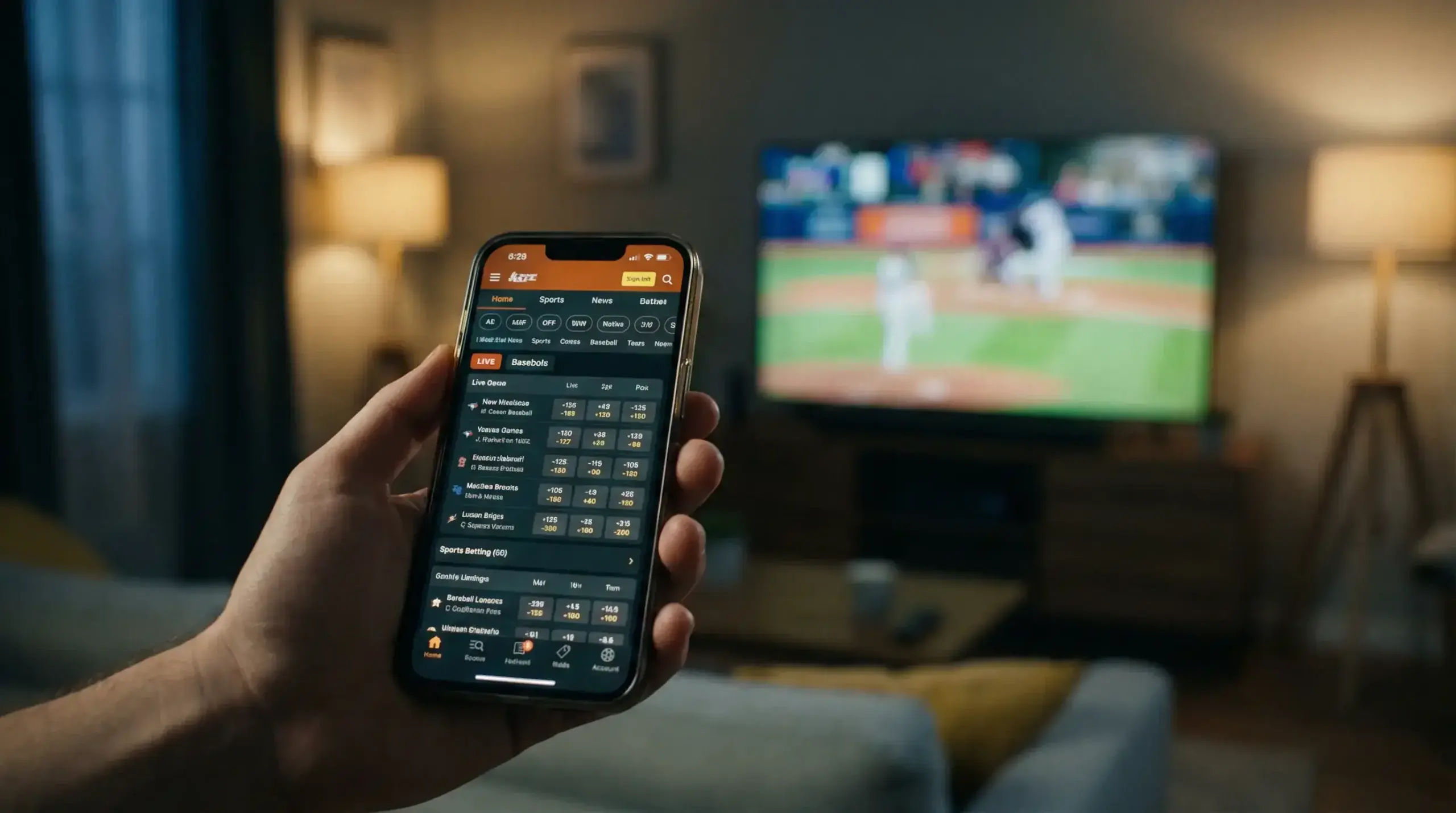
I used to think mobile betting was just a convenience feature – the same desktop experience squeezed onto a smaller screen. Then I started tracking where my actual bets were placed, and the numbers were humbling. Over the 2024 MLB season, 91% of my wagers went through my phone. Not because I planned it that way, but because that is where baseball watching happens – on the sofa, at the pub, on the train home from work.
The broader data confirms this is not a personal quirk. Roughly 80% of all crypto gambling activity occurs on mobile devices, and that figure trends higher for sports betting where the action ties directly to live events. The phone is not an alternative access point – it is the primary interface. Any crypto sportsbook that treats mobile as a secondary priority is building for a market that barely exists.
For MLB specifically, the mobile-first reality intersects with the sport’s schedule in an important way. Games start between 5:05 p.m. and 10:10 p.m. UK time on weekdays – exactly the hours when most people are away from a desk. Pre-game line shopping, live in-play betting, and between-game bankroll adjustments all happen on a phone screen. If the mobile experience is clunky, slow, or missing features that the desktop version offers, you are handicapped during the hours that matter most.
Native Apps vs Mobile Browser: MLB Betting Experience
Crypto sportsbooks deliver their mobile experience through two channels: native apps (downloaded and installed on your phone) and mobile-optimised browser sites (accessed through Safari, Chrome, or another mobile browser). The distinction matters more than most bettors realise.
Native apps offer faster load times, smoother animations, push notifications for line movements and game results, and tighter integration with your phone’s hardware – including biometric authentication via fingerprint or face scan. For live MLB betting, where a two-second delay in loading a bet slip can mean a missed price, native app performance is a tangible advantage.
The catch: most crypto sportsbooks do not offer native apps through the Apple App Store or Google Play Store. Apple and Google both restrict real-money gambling apps, and crypto sportsbooks operating without a major-jurisdiction licence rarely meet the listing requirements. Instead, many platforms distribute their apps as direct downloads (Android APK files) or as progressive web apps (PWAs) that you install from the browser to your home screen. APK installs require you to enable “install from unknown sources” in your Android settings, which introduces a security consideration – you need to verify you are downloading from the genuine platform URL, not a phishing clone.
Mobile browser betting avoids the download issue entirely. You navigate to the sportsbook’s URL, log in, and bet. Modern mobile browsers are fast enough that the performance gap between a browser site and a native app has narrowed significantly. The main drawback is the absence of push notifications and the occasional session timeout that forces a re-login mid-game. For casual bettors who place a few pre-game wagers per week, the browser experience is perfectly adequate. For active in-play bettors who need speed and instant alerts, the native app (where available) is worth the installation effort.
Connecting a Mobile Wallet to a Crypto Sportsbook
The deposit workflow on mobile differs depending on whether you are using a centralised crypto sportsbook or a decentralised protocol, and getting the wallet connection right is essential for a smooth experience.
For centralised sportsbooks, the process mirrors the desktop workflow on a smaller screen. You navigate to the deposit page, select your cryptocurrency, and the platform displays a deposit address or QR code. Open your mobile crypto wallet app – whether it is a Bitcoin wallet, a multi-currency wallet, or a Lightning wallet – scan the QR code or paste the address, confirm the amount, and send. The funds appear in your sportsbook account after the required confirmations. The entire process takes under a minute if your wallet is already funded.
Crypto gambling platforms see peak engagement from users aged 25 to 34, who make up approximately 40% of the active user base, followed by the 35-to-44 bracket at around 35%. Both demographics are mobile-native and expect wallet interactions to be seamless. The best crypto sportsbooks have optimised their mobile deposit flows accordingly – large touch targets for QR scanning, clear confirmation screens, and real-time deposit status updates that eliminate the anxiety of waiting for blockchain confirmations.
For decentralised protocols, the connection is different. You visit the protocol’s web interface in your mobile browser and connect your wallet directly – typically through a WalletConnect session or the wallet’s built-in dApp browser. Once connected, every bet you place is a blockchain transaction signed by your wallet. This means each bet requires a confirmation tap in your wallet app, adding a few seconds to the process but maintaining full custody of your funds throughout.
The friction point on mobile is switching between apps. Placing a bet on a decentralised protocol means: open the sportsbook in your browser, find your market, initiate the bet, switch to your wallet app to confirm the transaction, then switch back to the sportsbook to verify the bet was placed. On a fast phone with good app-switching, this takes five to eight seconds. On an older device or a congested network, it can take longer – long enough to miss a live betting window. I keep my wallet app in my quick-launch dock during MLB season for exactly this reason.
Biometrics, 2FA and Keeping Your Phone Secure
Your phone is simultaneously your betting terminal, your wallet, and your authentication device. If it is compromised, everything is exposed. The security measures I use are not paranoid – they are minimum viable protection for anyone with a meaningful balance on a crypto sportsbook.
Biometric authentication – fingerprint or face recognition – should be enabled on both your sportsbook app and your crypto wallet. It adds less than a second to each interaction and prevents anyone with physical access to your unlocked phone from accessing your accounts. Every major mobile wallet and most sportsbook apps support biometric login as of 2026.
Two-factor authentication via an authenticator app (not SMS) is the second layer. SMS-based 2FA is vulnerable to SIM-swap attacks, where an attacker convinces your mobile carrier to transfer your number to a new SIM card. Authenticator apps generate time-based codes locally on your device and are not vulnerable to this attack vector. Enable app-based 2FA on your sportsbook account, your exchange accounts, and your email – the email account is often the weakest link because it is the recovery method for everything else.
Device-level security matters too. Keep your operating system updated, avoid sideloading apps from unverified sources (ironic given the APK download requirement for some sportsbooks, but minimise it where possible), and never store your wallet seed phrase in a notes app, a screenshot, or a cloud document. The seed phrase is the master key to your crypto holdings – if someone obtains it, they can empty your wallet from any device, regardless of the biometrics and 2FA you have in place.
One habit that has saved me: I log out of my sportsbook app after each session rather than relying on auto-login. It adds five seconds to my next session, but it means a lost or stolen phone does not give immediate access to my betting account. Small friction, meaningful protection.
